Off-Grid · 10 min read
Build Your Own Off-Grid Escape: Cheap Land, Solar, and a Wood-Fired Soak Near Canada's Best Parks
An honest guide to finding affordable land near the great parks, the rules nobody warns you about, and the off-grid tech that finally makes a small cabin doable.
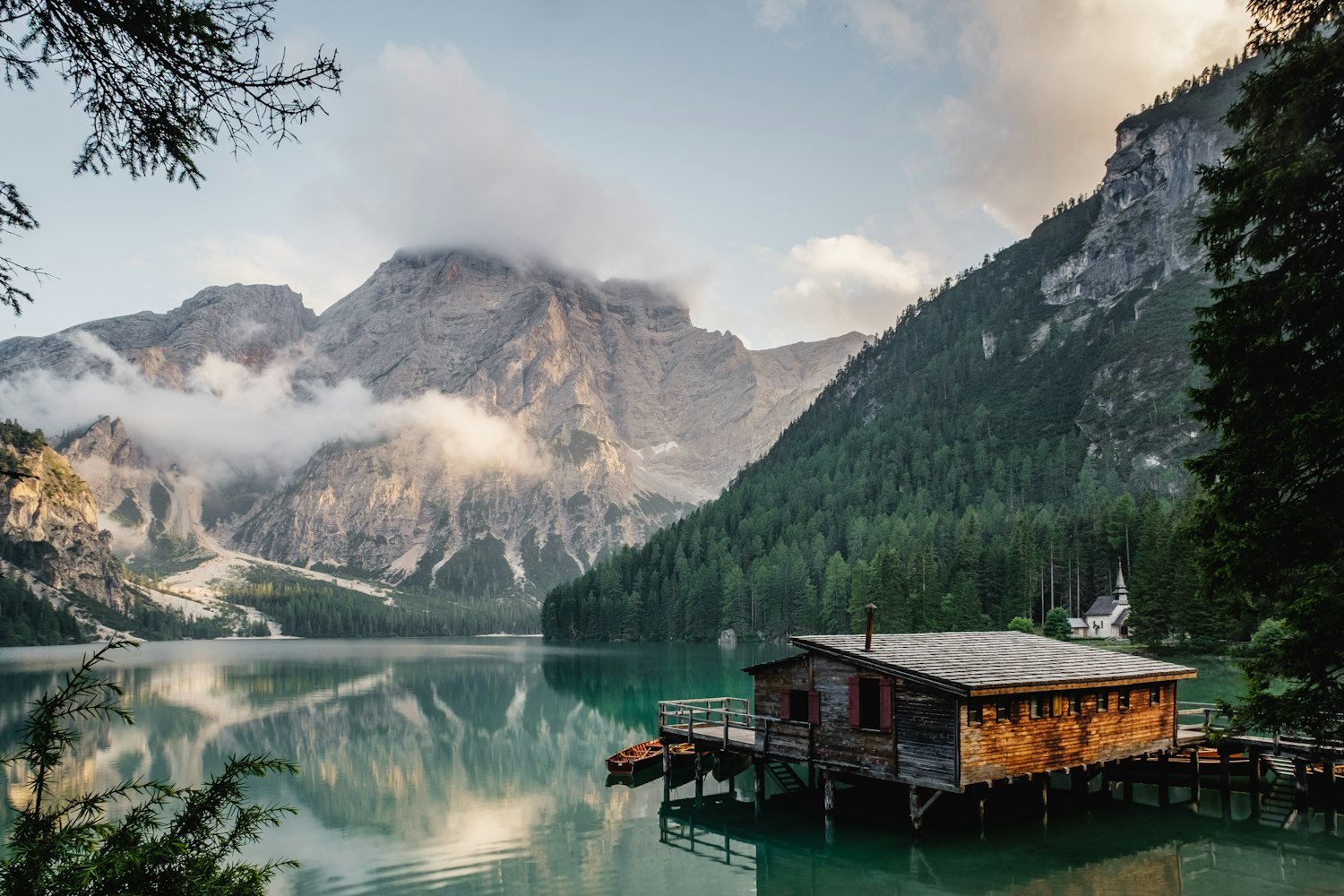
Almost everyone has the same daydream: a small cabin somewhere quiet, off the grid, near good country, that did not cost a fortune. The daydream is achievable. The version sold on social media, where you supposedly buy cheap Crown land and squat happily ever after, is not. This is the honest guide, with real numbers, to finding affordable land near Canada's best parks, understanding the rules that actually apply, building something small, and powering it with tech that has finally gotten cheap enough to make the whole thing work.
One disclaimer up front, and it matters: this is general information, not legal, financial, or building advice. Crown-land rules, zoning, building codes, septic requirements, and land prices vary by province and municipality and change over time. Confirm everything with the local authorities before you buy or build.
First, kill the Crown-land myth
You generally cannot buy or squat cheap Crown land in Canada. It is provincially owned and overwhelmingly leased, not sold. In British Columbia it is tenure only, and residential tenures cannot be freely transferred. Alberta allows dispersed camping on public land but no cabin homesteading. Ontario leases the right to use, typically for 21 years, and good luck getting a mortgage on it. Quebec runs an annual lottery for vacation lots at about 5 percent of the lot's value per year in rent. The affordable path is almost always private rural land, not Crown.
Where the cheap private land actually is
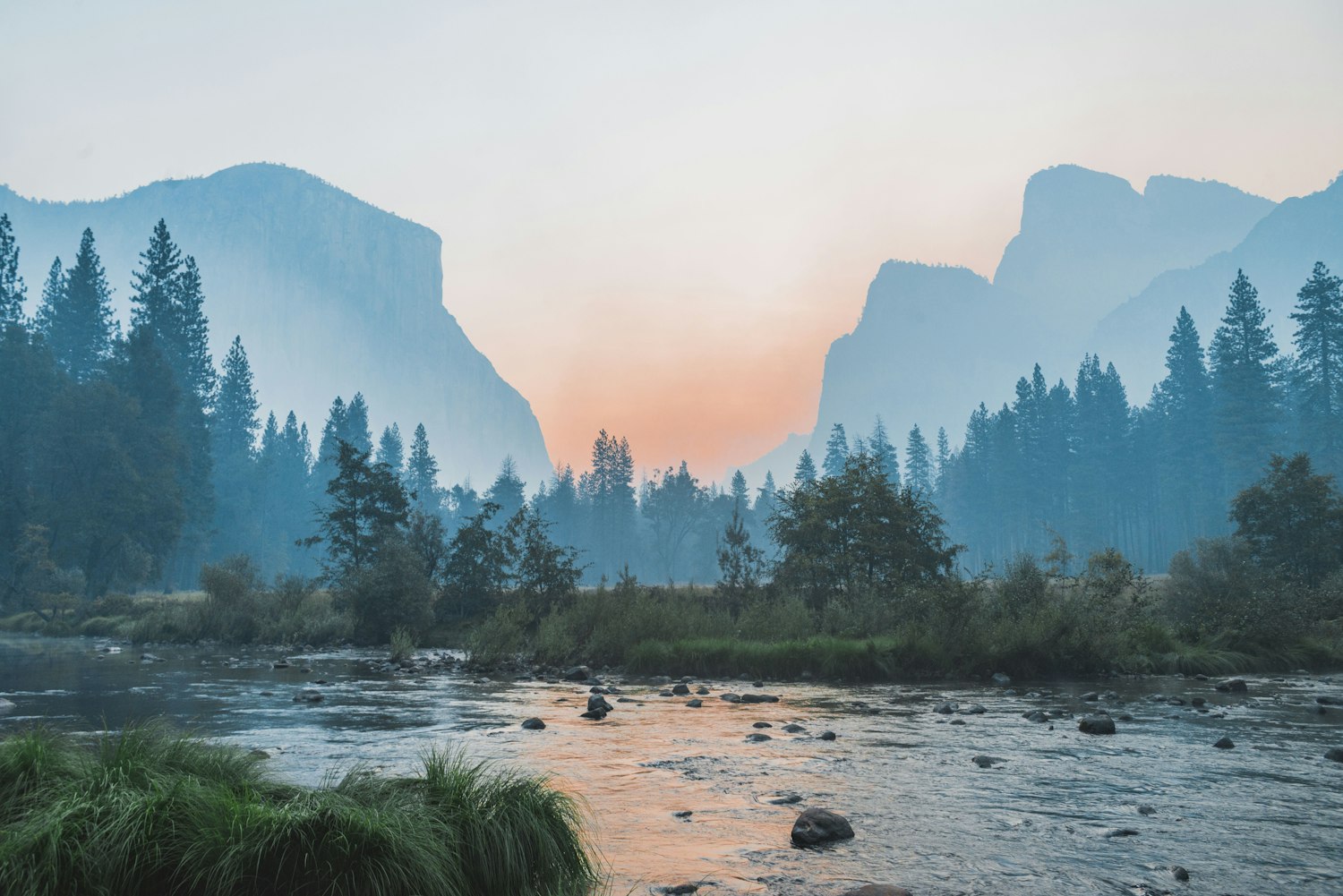
The discount you are buying is "no services, seasonal access," and it is real. Near the parks, the value regions are: Clearwater County around Nordegg, Alberta, the gateway to Abraham Lake and the Banff and Jasper corridor, where remote treed parcels run roughly $50,000 to $150,000 and larger acreages $250,000 and up; the BC Kootenays and Cariboo, with small rec lots from around $50,000; northern Ontario near Algonquin, Temagami, and Lake Superior, the best value for big acreage; the Gaspe and interior Quebec; and Cape Breton and New Brunswick, among the cheapest in the country. Start on realtor.ca filtered to land, and watch municipal tax-sale auctions for the cheapest and riskiest option, where you bid by sealed tender and do not always get clean vacant possession.
The rules before you buy
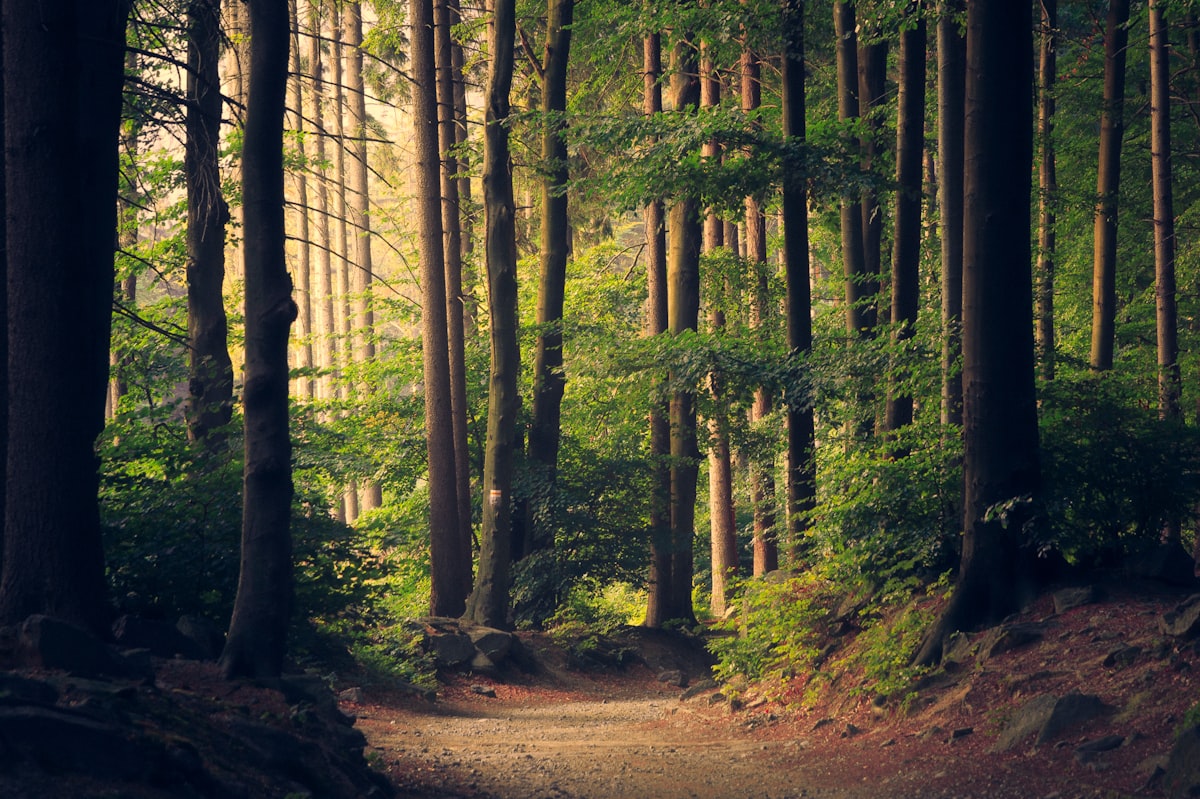
Off-grid does not mean off-permit. Electrical, structural, and septic work is still regulated, and zoning still governs what you can put up and where. Ontario's building code triggers a permit above roughly 10 square metres, but zoning applies even below that. Septic must meet provincial rules, and a composting toilet usually has to be a certified model approved by the local health unit. Foundations go below the frost line. And many recreational zones permit seasonal use only, so confirm the permitted use before you fall in love with a parcel. The single best move you can make is to phone the municipality or regional district and the health unit before you close, not after.
The build, done affordably
The cheapest honest paths, structure only, before land, road, well, and septic: an owner-built small cabin runs roughly $150 to $300 a square foot; prefab and kit cabins come in around $100 to $250, with small units from about $23,000 to $45,000; an A-frame kit like the Backcountry Hut Company's one-room system lands near $29,500 and goes up in under a week; shipping-container builds finish around $250 to $350 a square foot once you account for insulation and finish. A factory-built shell that you finish inside yourself is often the best value of all.
The off-grid tech that finally works
This is the part that has genuinely changed. A 400-watt solar array with a lithium battery and inverter, enough for lights, laptops, phones, and a small efficient fridge, now runs roughly $1,750 to $2,000 as a packaged kit from retailers like Renogy Canada or The Cabin Depot. A Canadian-made Drolet wood stove is the off-grid heating workhorse. For water, a gravity Berkey filter is the cheap cottage standard, with UV systems for whole-cabin potable. A Nature's Head composting toilet runs about $1,350 and needs emptying roughly monthly for two people. For connectivity, Starlink's Mini dish starts around $249 with residential service near $70 a month and a new low-cost standby plan that keeps a seasonal account alive over winter.
And the payoff, the thing that makes the whole project feel like a resort: a wood-fired hot tub. A Canadian-made Goodland cedar-and-aluminum tub heats in about ninety minutes and is freeze-tested for our winters, and Vancouver Island's Forest Cooperage builds handcrafted western red cedar tubs that last decades. No power required, just firewood and a cold night.
The smart sequence
Define the budget and whether you want weekend-only or eventual year-round use, because that decides everything. Shortlist regions by price and proximity to the parks you want. Do real diligence on the parcel: legal road access and winter maintenance, zoning and permitted use, septic feasibility, and financing, since raw off-grid land usually needs cash or a land loan. Phone the municipality and health unit before closing. Then close, sort access and a place to park a trailer, choose your build path, get the foundation to code, weather-tight the shell, and put the wood stove in first for heat. Drop in the solar, water, and toilet, get the electrical inspected, add Starlink, and finish with the hot tub. Spend the first weekend learning what your real power and water use is, and size up from there.
The honest reward
An off-grid cabin is more work and more rules than the daydream admits, and it is also one of the most satisfying things a person can build. Done right, on a cheap parcel near good country, with solar on the roof and a fire under the tub, it becomes the place you restore what the week wore down. Strip it back, build it stronger, and go earn the quiet.
Frequently asked questions
- Can you buy cheap Crown land in Canada to build a cabin?
- Generally no — Crown land is leased, not sold. The affordable path is private rural land in value regions like Clearwater County in Alberta, the BC Kootenays, or northern Ontario.
- How much does an off-grid solar setup cost?
- A 400-watt solar array with a lithium battery and inverter — enough for lights, laptops, and a small fridge — runs roughly 1,750 to 2,000 dollars as a packaged kit in 2026.
- Do you need permits for an off-grid cabin?
- Usually yes. Electrical, structural, and septic work is regulated and zoning still applies. Confirm with the municipality and health unit before you buy or build.
Before you head out
Need gear for the trip — something built for the bush and made for the long haul? Have a look at what we make.
Shop EVOLVEThe EVOLVE outdoors list
The best places to get outside in Canada — in your inbox.
Trail notes, ski intel, cabins worth the drive, and parks worth the detour. About twice a month. We won’t flood your inbox, and you can leave anytime.
More from the journal