Summits · 9 min read
Learning to Climb in Canada: Where to Start Mountaineering Without Getting in Over Your Head
Canada has the peaks, the guides, and the structure to take you from a scramble to a glaciated summit, as long as you do it in the right order.
The mountains do not care how fit you are. They care whether you know what you are doing, and the gap between a confident hiker and a competent mountaineer is wider than most people think. The good news is that Canada is one of the best places on earth to close that gap, because the Bow Valley around Canmore is a hub of certified guides, the peaks come in every grade, and there is a clear ladder from your first scramble to a real glaciated summit. The trick is climbing that ladder in order, and not skipping the rungs that keep you alive.
This is the honest starting guide: where to learn, what to learn, and where to point yourself once you can. The first piece of gear you buy is not an ice axe. It is a course.
The thing that matters most: an ACMG guide
In Canada, the professional standard is the Association of Canadian Mountain Guides, affiliated with the international federation. When you hire an ACMG guide you are hiring someone who has been examined on exactly the terrain that kills unguided beginners: glacier travel, crevasse rescue, avalanche assessment, rockfall judgment. Before you book anyone, check that they hold the certification. It is the cheapest insurance in the sport.
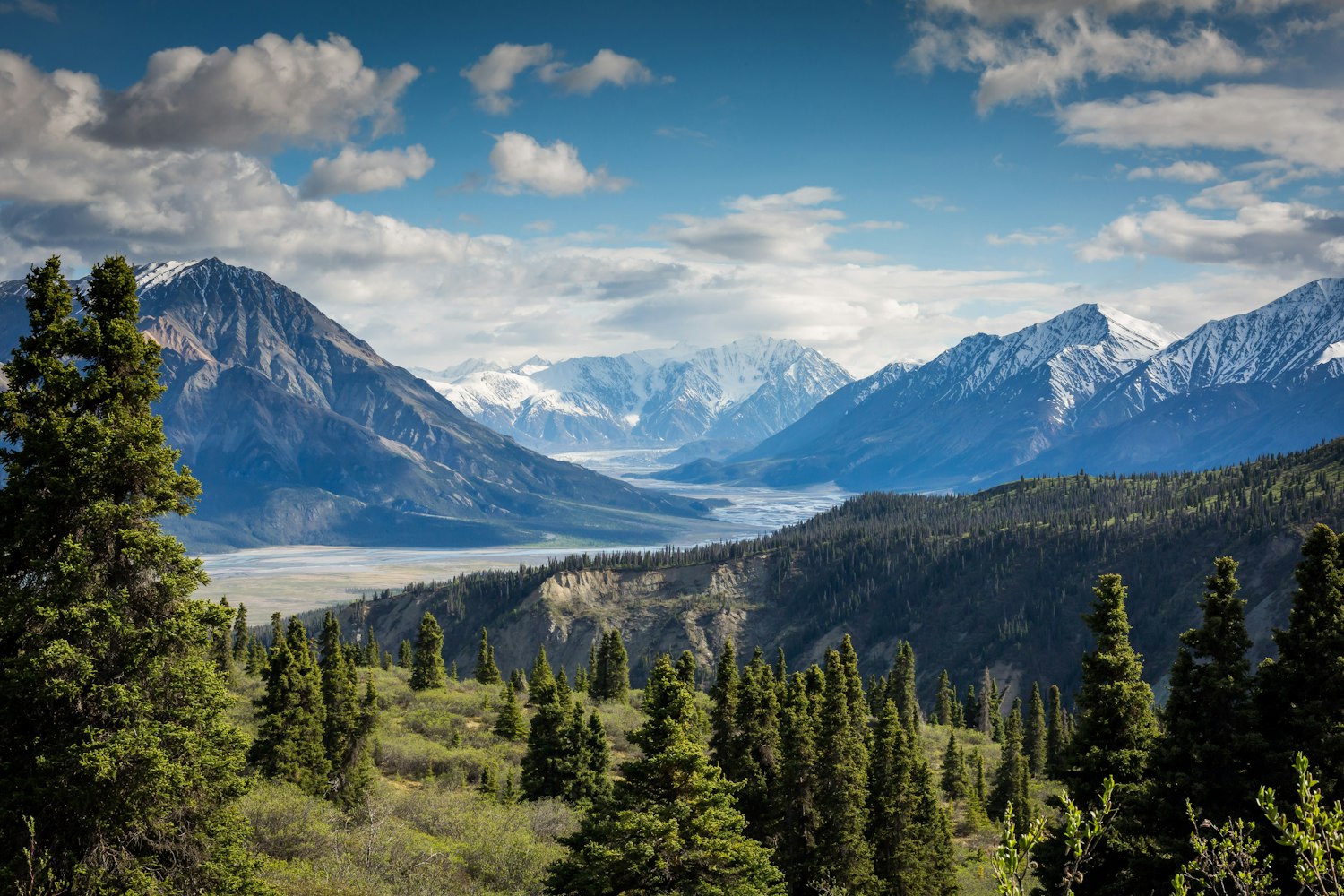
Where to learn
Yamnuska Mountain Adventures in Canmore is the largest and longest-running school in the country, with a full ladder of programs from a hut-based Intro to Mountaineering on the Wapta Icefield up through ski mountaineering, plus avalanche courses. Their Mountain Skills Semester runs around $2,850 for 2026. Who it's for: anyone who wants the most complete progression under one roof.
The Alpine Club of Canada is the other essential. Joining the ACC unlocks a network of 32 backcountry huts at member rates, a four-day Intro to Mountaineering at Rogers Pass built for near-beginners, and the legendary General Mountaineering Camp. Membership is the cheapest door into structured climbing in Canada.
For a private, boutique format, Cloud Nine Guides runs a six-day Beginner Mountaineering Course for small groups. On the coast, Canada West Mountain School is the best Vancouver-region entry point, and Mountain Skills Academy in Whistler will put you on a glacier on the resort before you commit to a full course.
The order you actually climb
The progression that works, in sequence: indoor gym, outdoor top-rope, scrambling, a guided intro mountaineering course, glaciated peaks, and only then ski mountaineering. Most accidents involving beginners come from jumping that line.
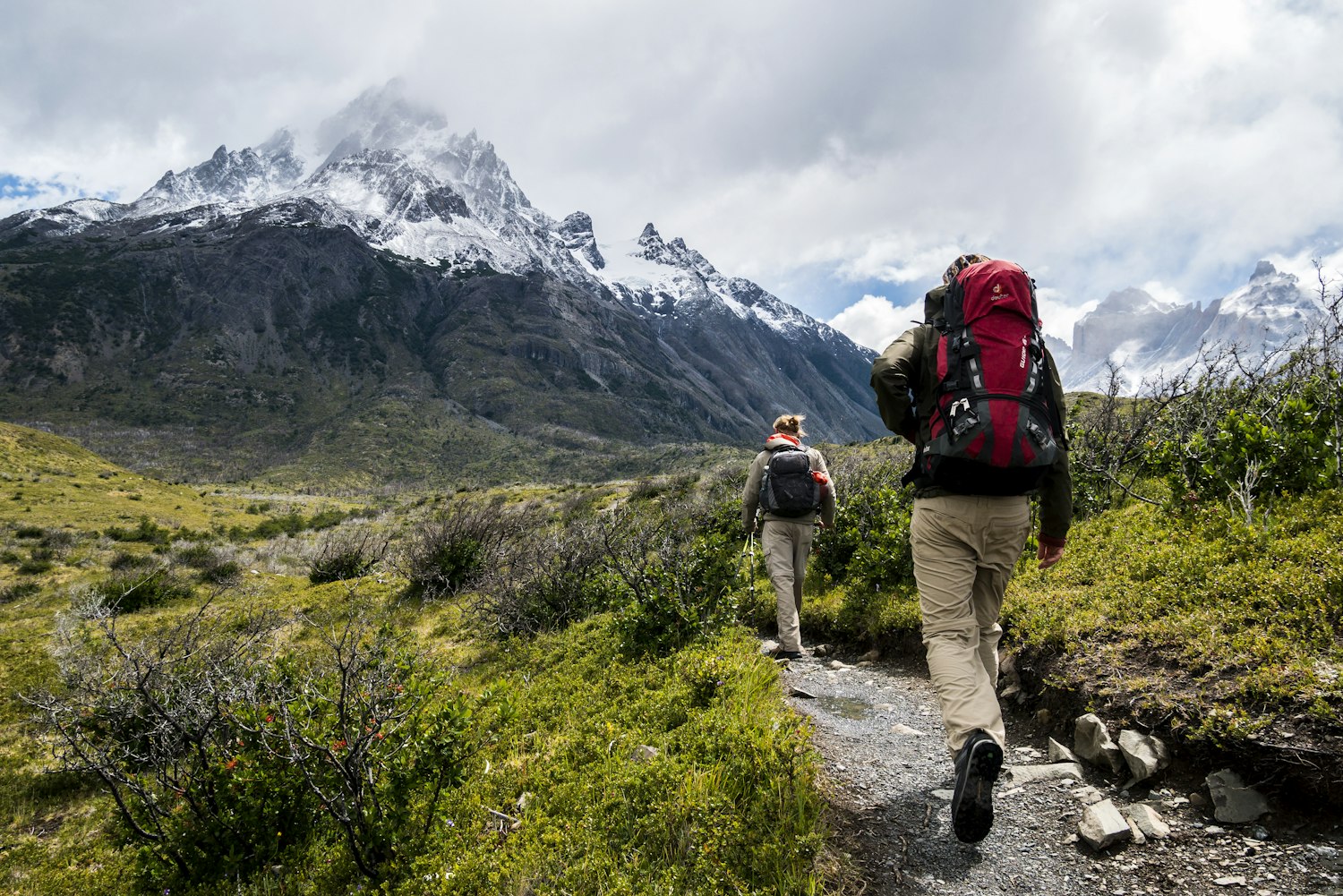
Scrambling means moving over steep rock using your hands, without a rope as your main protection. It is where you build mountain sense, and the Bow Valley has the classics: Ha Ling Peak at 2,408 m is the iconic first summit, a steep 7.8 km return with about 810 m of gain; the East End of Rundle is shorter and sharper; Heart Mountain melts out early and gives you a full loop. Wear a helmet, start before 7 a.m. in summer, and be off the top by noon when the thunderstorms build.
Mountaineering begins the moment you step onto a glacier or a snow face needing crampons, an axe, and a rope. That is taught, not improvised. A guided intro course covers self-arrest, roped travel, crampon technique, and crevasse rescue, and you do not go onto an icefield without it.
For anything in winter, add an Avalanche Skills Training course, AST 1 first, two days for roughly $300 to $400, and carry a transceiver, probe, and shovel you actually know how to use.
Where to go, by level
Your first glaciated summit should be Mount Athabasca, 3,491 m, on the Columbia Icefield right off the Icefields Parkway. The standard AA Col route is a moraine approach, roped glacier travel, a steep snow gully, and a stunning summit ridge, and every major guiding outfit runs trips on it. Hire a guide for the first one. The crevasses are real.
For a first taste of hut-based alpine, the Bow Hut on the Wapta Icefield is the perfect base, a four-to-six-hour hike in, with moderate objectives like Bow Peak from the door.
For rock fundamentals, the Stawamus Chief in Squamish is Canada's Yosemite: world-class granite for crack technique and multi-pitch rope work, with a clean gym-to-crag-to-multipitch pathway and ACMG guides who run it daily.
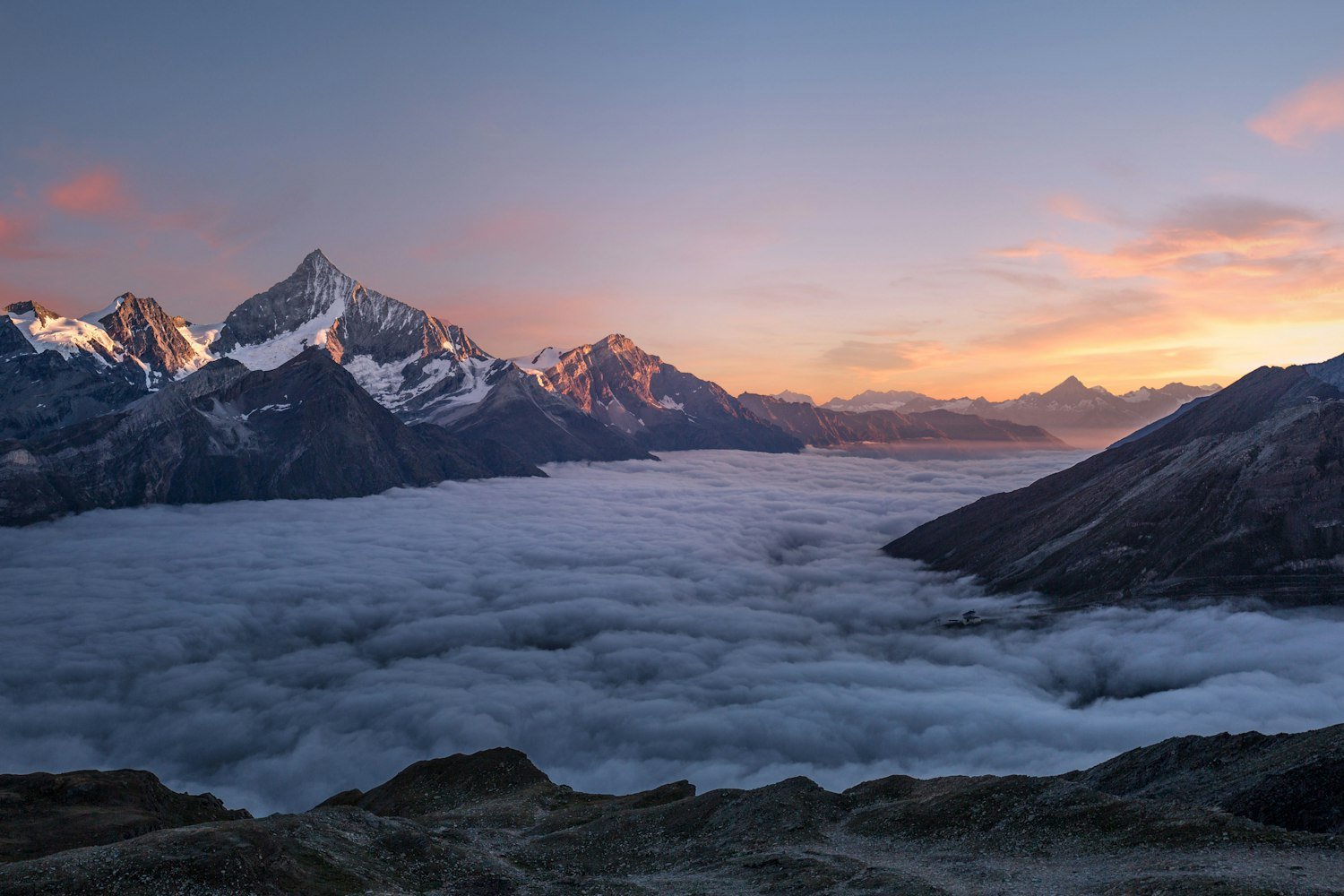
The next step up is Mount Temple, 3,543 m, the highest non-technical summit in the Rockies, but only as a dry-rock scramble in late summer; with snow on the upper bands it becomes a serious mountaineering objective, and people die on the descent gully every few years. The big winter prize is the Wapta Icefield ski traverse, around 45 km hut-to-hut, but that needs AST 2, real glacier experience, and ideally a guide. Start at Rogers Pass instead, where the ACC's Asulkan cabin gives you contained, world-class ski-mountaineering terrain.
The honest part
Mountaineering is the most rewarding thing many people ever do and one of the few hobbies where a bad decision is permanent. The peaks of this country will absolutely give you the best day of your life. They will also punish arrogance without warning. Learn it properly, hire the guide, carry the gear you trained on, and build your judgment one rung at a time. The summit is not going anywhere. Make sure you are not either.
Frequently asked questions
- Where should a beginner learn to mountaineer in Canada?
- The Bow Valley around Canmore is the hub. Schools like Yamnuska Mountain Adventures and the Alpine Club of Canada run intro courses with certified ACMG guides.
- What is a good first mountaineering objective in Canada?
- Mount Athabasca, 3,491 metres, on the Columbia Icefield is the classic first glaciated summit — best done with a guide.
- Do I need a course before mountaineering?
- Yes. Glacier travel, crevasse rescue, and avalanche skills (AST 1) are taught, not improvised. The first thing to buy is a course, not an ice axe.
Before you head out
Need gear for the trip — something built for the bush and made for the long haul? Have a look at what we make.
Shop EVOLVEThe EVOLVE outdoors list
The best places to get outside in Canada — in your inbox.
Trail notes, ski intel, cabins worth the drive, and parks worth the detour. About twice a month. We won’t flood your inbox, and you can leave anytime.
More from the journal