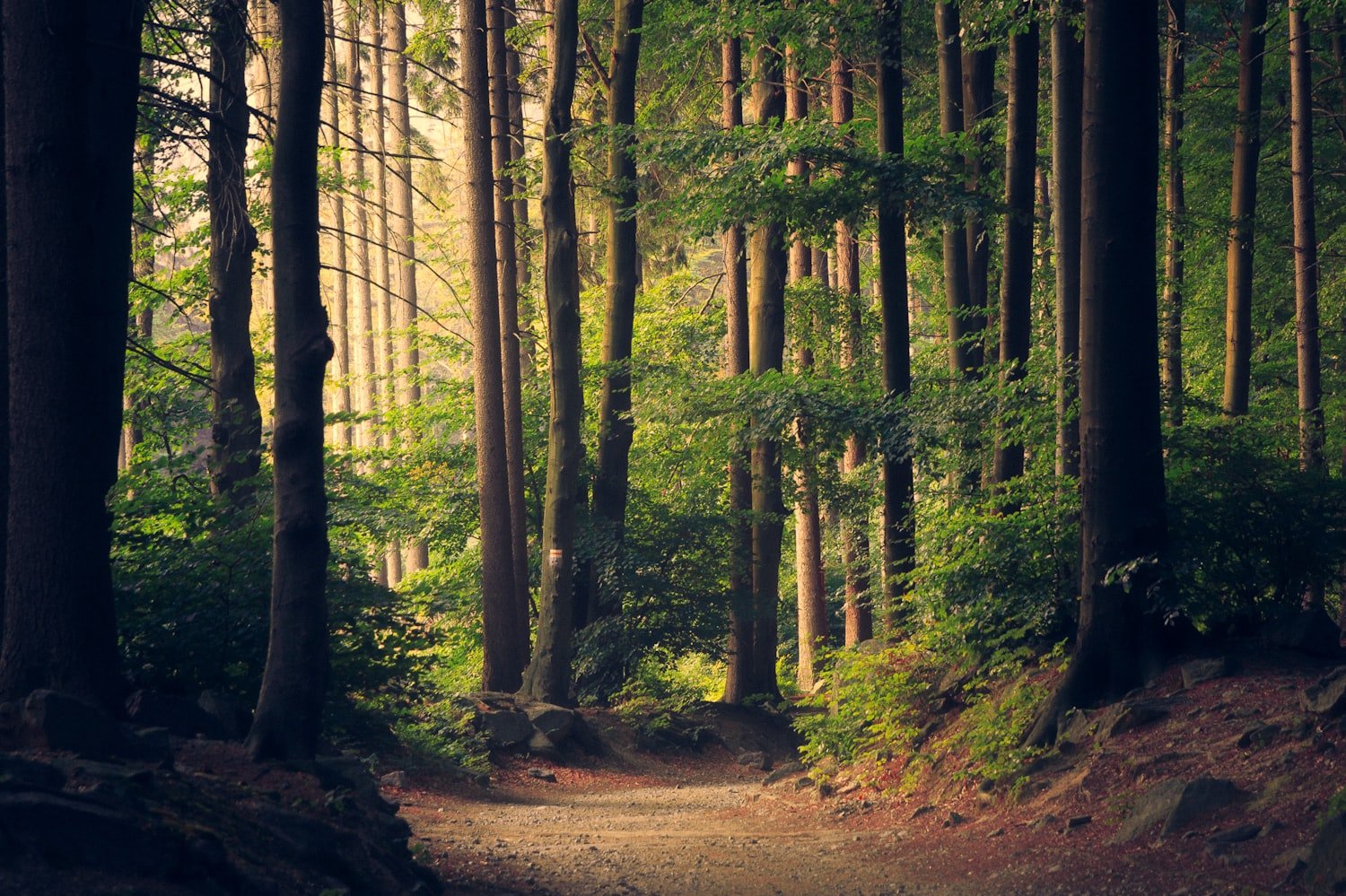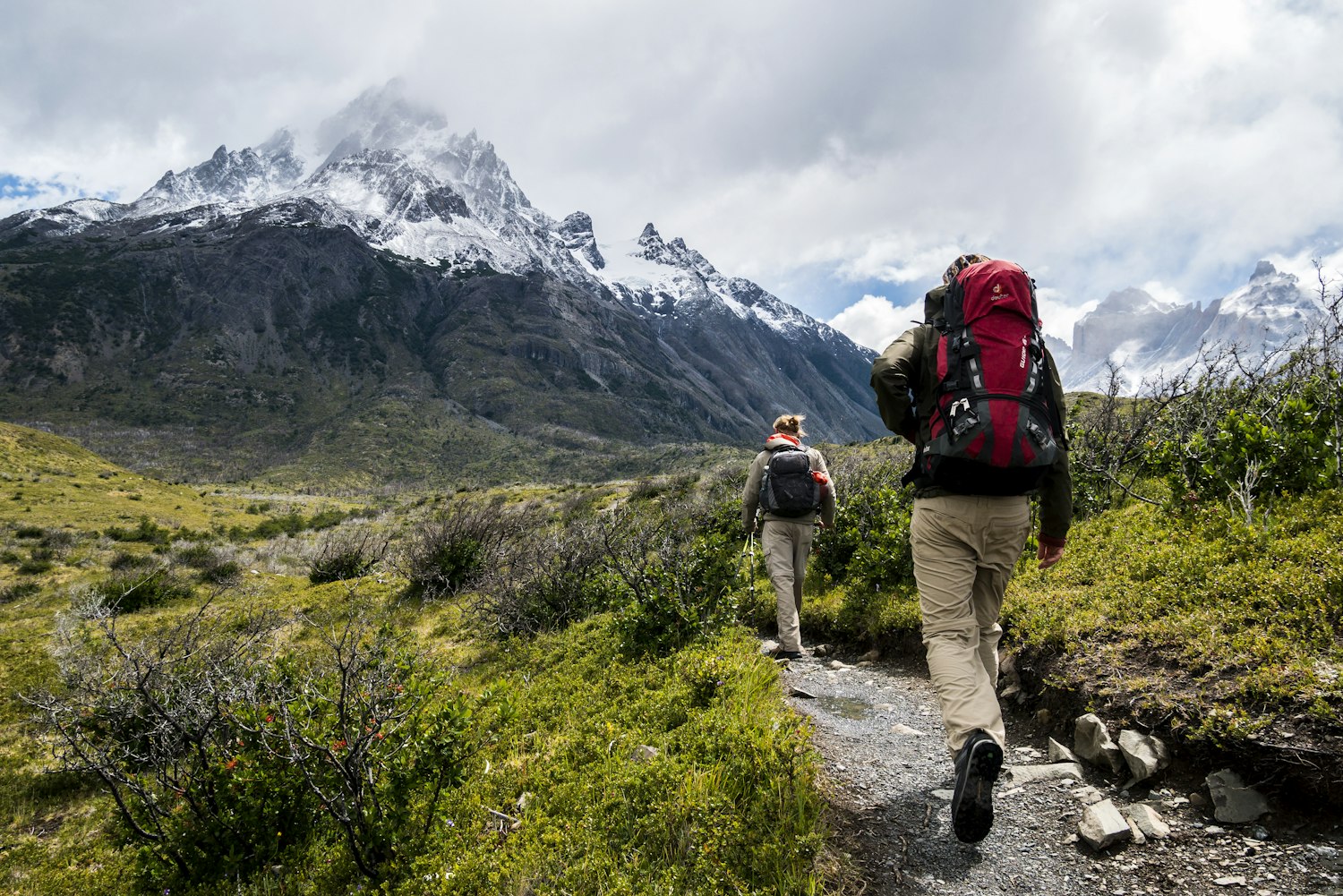
Edmonton is a long way from the Rockies, and the close-to-home parkland, river valley, and boreal trails are better than the city gives them credit for.
Let us be honest about geography. Edmonton is not a mountain town. Jasper is three and a half to four hours west, Banff is further, and on a Friday afternoon in summer the Yellowhead is a parking lot full of people who all had the same idea. The myth in this city is that a real hike means a long drive. It does not. Within two hours of downtown there is parkland that runs gold to the horizon, a river valley bigger than any urban green space on the continent, boreal bog full of moose, and a sandstone gorge nobody talks about. None of it is the Rockies. All of it is worth your boots.
This is the honest, close-to-home list: real distances, real drive times, and the one tip that makes each one better. Bring water, bring bug spray from May to July, and leave the four-hour round trip for the weekends you actually have the legs for.
Mill Creek Ravine: three minutes out of the city, no car needed
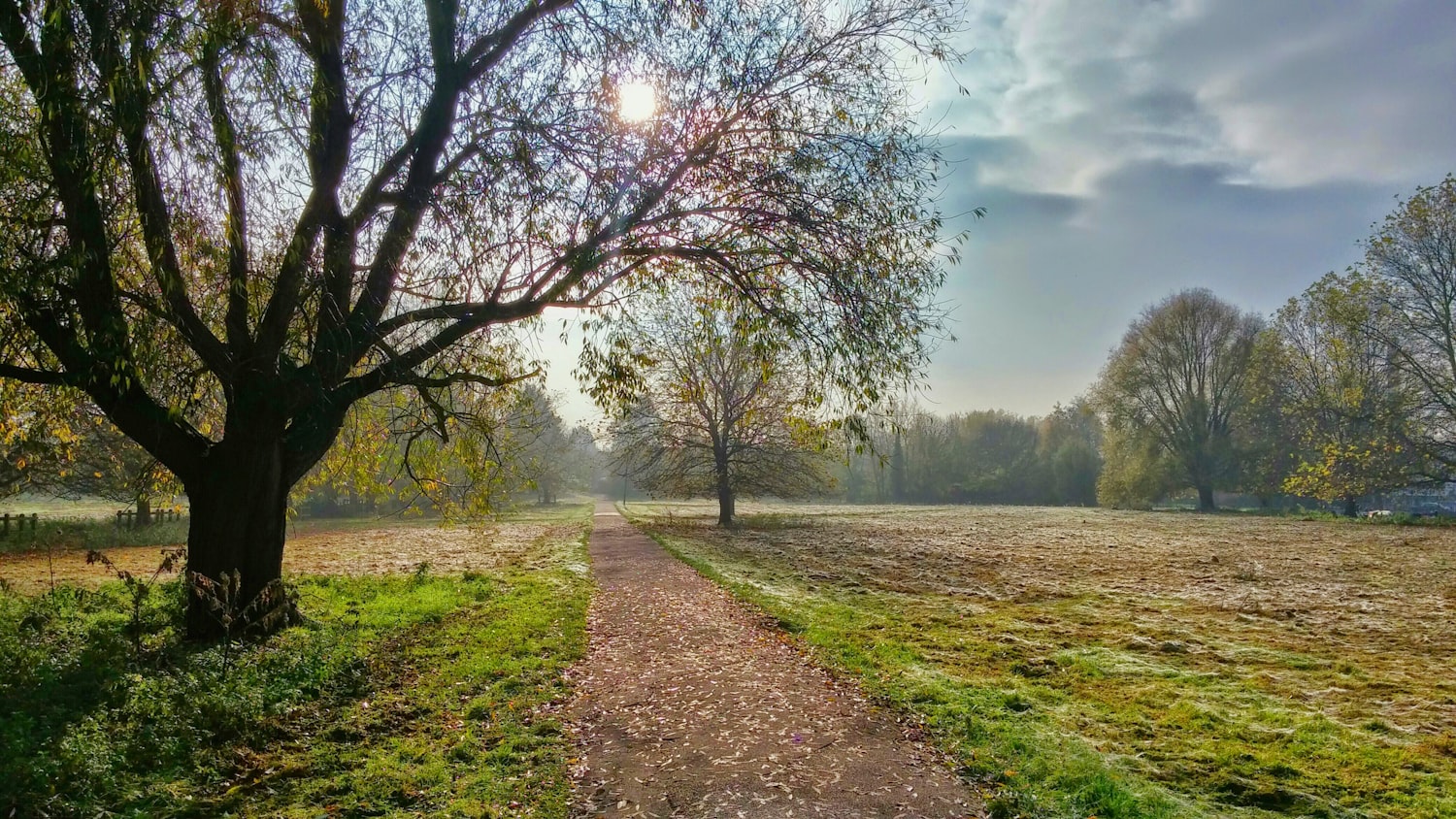
The river valley is the answer to the whole question, and Mill Creek Ravine is where you start. Depending on the section you can walk anything from a 3 km out-and-back to the full 11 km down to the North Saskatchewan, all of it under a cottonwood canopy on red footbridges, with white-tailed deer that have stopped caring about people. The whole river valley trail system runs to roughly 160 km, around twenty-two times the size of Central Park, so you can keep walking as long as your day allows.
The tip: the Mill Woods extension on the south end is quieter than the busy north stretch near Argyll. Check the River Valley Alliance trail notes for creek levels in June, because after a hard rain the lower crossings run ankle-deep.
Terwillegar Park: the river loop with an honest hill
Fifteen minutes southwest of downtown, Terwillegar Park is a 4.2 km perimeter loop with about 80 m of gain, a 262 m suspension footbridge over the North Saskatchewan, and the city's largest off-leash area if you are bringing a dog with decent recall. Gravel and singletrack, real little hills, genuine river views. It is the closest thing to a wilderness loop you can do on a weeknight.
The tip: cross the footbridge to the north bank and Jan Reimer Park to add a quiet kilometre or two and dodge the weekend crowd at the south lot.
Elk Island National Park: bison, boardwalks, and a 45-minute escape
Drive 48 km east on Highway 16 and you are in Elk Island, one of the few places this close to a major city where the trail might be blocked by a 900 kg plains bison. The 3.2 km Amisk Wuche loop floats on boardwalks across beaver ponds through aspen and spruce; the 11.6 km Hayburger trail pushes into black spruce bog where moose actually live. The Cree name for these hills means Beaver Hills, and the park sits inside a UNESCO biosphere reserve.
Drive time: about 45 to 50 minutes. The 2026 note: the Canada Strong Pass waives admission to Parks Canada places from June 19 to September 7, 2026, so Elk Island is free that window. The tip: bison are most active early morning and late afternoon, and they use the trails as travel corridors, so give them 100 m and never get between a cow and a calf.
Cooking Lake-Blackfoot: 85 km of trail nobody fights you for
A little further east, Cooking Lake-Blackfoot holds around 85 km of designated trail through aspen, wetland, and small glacial lakes. The Lost Lake and Neon Lake combination makes a roughly 13 km loop with washrooms along the way and a strong chance of moose. It is multi-use, so step aside for horses, and it is free.
The tip: walk the loop so you finish on the quiet Neon Lake section, the prettiest stretch of the whole network.
Miquelon Lake and the Beaver Hills dark sky
Fifty minutes southeast, Miquelon Lake gives you six interconnected loops through knob-and-kettle glacial terrain, the same moraine landscape as Elk Island without the Parks Canada crowd. Mix and match for anything from 1 km to 20-plus. The short Grebe Pond interpretive walk is a June birding gem.
The tip: the Beaver Hills biosphere is a certified dark-sky preserve. Stay past sunset and the Milky Way shows up with no light dome, so pair a late hike with stargazing.
Pembina River: the gorge nobody mentions
An hour west at Entwistle, Pembina River Provincial Park is the surprise of this list: a 62 m sandstone gorge with a roughly 7 km trail and around 214 m of real gain, climbing to a rim where peregrine falcons nest on the ledges. For genuine vertical within an hour of Edmonton, this is it.
The tip: start from the upper lot so the descent into the gorge is your reward, not your slog home.
Pigeon Lake and Crimson Lake: when you want a little more
Push a little past two hours and the options open up. Pigeon Lake, about 70 minutes southwest, runs rolling aspen-parkland loops up to 9.5 km with lake views, pelicans, and eagles. For the southern corridor that actually touches the foothills, Crimson Lake near Rocky Mountain House is a flat 10 km lap of a boreal lake where you can see the mountains starting to rise in the west. Both reward booking a campsite and making it an overnight rather than a day-trip sprint.
The point
You do not need to fight the highway to Banff to earn a good day outside. The country east and west of Edmonton is parkland, bog, river, and gorge, and most of it is empty on a Tuesday. The mountains will still be there when you have a full weekend to give them. Until then, the best hike is the one you can reach before the coffee goes cold. Take the close one. Take it often.
Frequently asked questions
- What is the best hike close to Edmonton?
- For a quick escape, Mill Creek Ravine and Terwillegar Park in Edmonton's river valley are hard to beat. For a 45-minute drive, Elk Island National Park offers bison, boardwalks, and boreal trails.
- How far is the nearest national park to Edmonton?
- Elk Island National Park is about 45 to 50 minutes east on Highway 16 — the closest national park to the city.
- Are there mountain hikes within two hours of Edmonton?
- Not the true Rockies — Jasper and Banff are three and a half to four-plus hours away. Within two hours you get parkland, boreal forest, lakes, and the 62-metre Pembina River sandstone gorge near Entwistle.
Before you head out
Need gear for the trip — something built for the bush and made for the long haul? Have a look at what we make.
Shop EVOLVEThe EVOLVE outdoors list
The best places to get outside in Canada — in your inbox.
Trail notes, ski intel, cabins worth the drive, and parks worth the detour. About twice a month. We won’t flood your inbox, and you can leave anytime.
More from the journal