Adrenaline · 8 min read
Cold and Free: Five Canadian Adventure Sports Worth the Adrenaline
From the slopes that invented heli-skiing to a year-round surf break on the edge of the Pacific, these are the pursuits the rest of the world copies from us.
Some countries have to import their adventure. We have it in the backyard, and in more than one case we invented it. Canada is where heli-skiing was born, where a river runs world-class whitewater two hours from the capital, and where you can surf a cold Pacific wave in January if you are tough enough to want to. The point of these five is not the bragging rights, though those come free. It is that every one of them has a real beginner door, a way for a fit, willing person with no experience to try the thing properly and safely. Here is where to go and how to start.
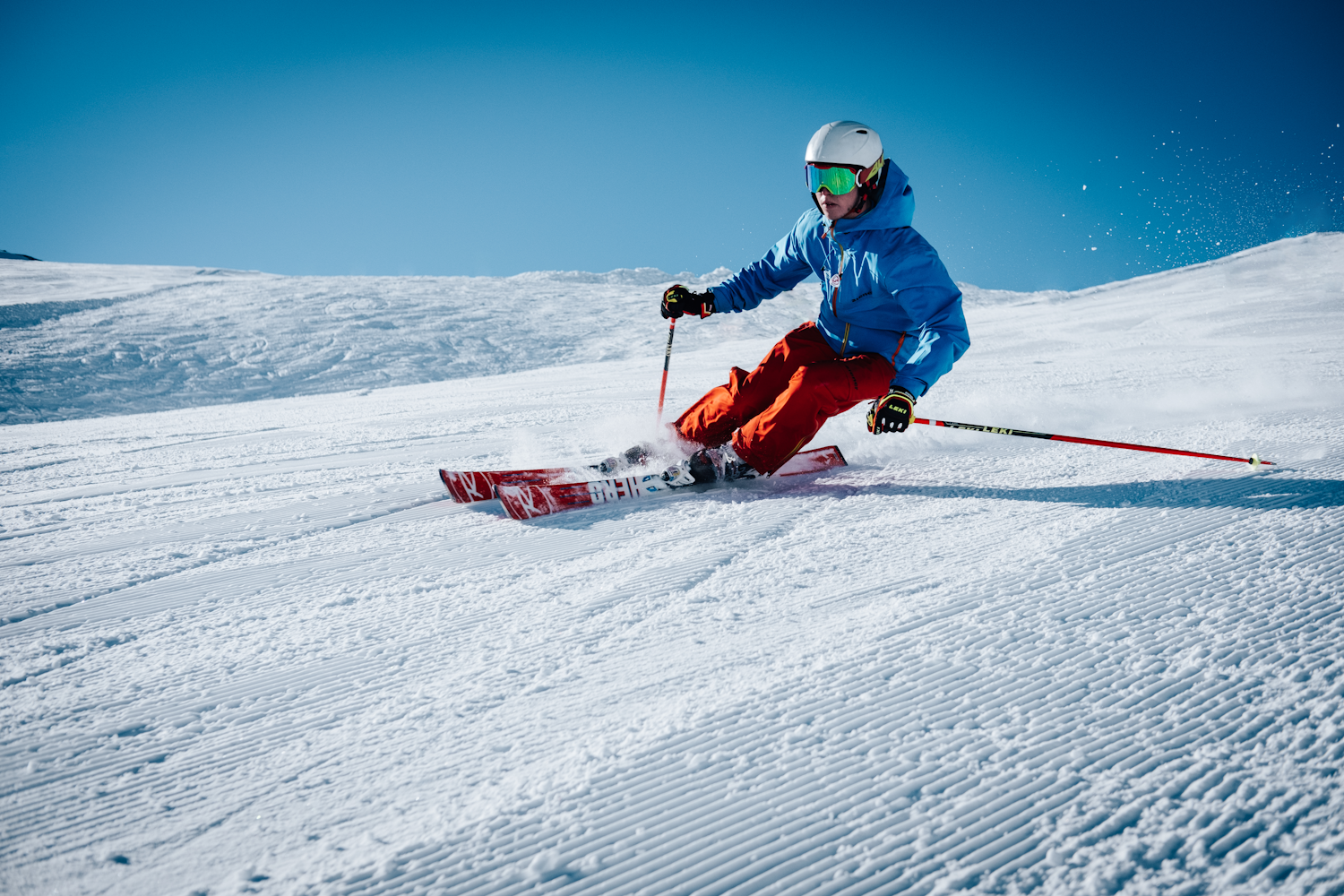
1. Heli-skiing, the thing we invented
In 1965 Hans Gmoser flew the first paying skiers into the Bugaboos, and Canadian Mountain Holidays has been the standard ever since, with lodges across interior BC, alongside Mike Wiegele in Blue River and Selkirk Tangiers out of Revelstoke. Season: December to April. What it costs: a day runs roughly $1,600 to $2,100, multi-day lodge packages from around $5,000. The beginner door: the CMH Powder Intro is built for strong resort skiers and riders with zero backcountry experience, guides cover the hazards, and the avalanche gear is provided. The tip: book a year ahead, because the deep-winter weeks sell out a full season early.
2. Whitewater on the Ottawa River
The Ottawa River, about two hours from the capital, is one of the best big-volume rivers on the planet, warm, forgiving, and genuinely huge, run by outfitters like Wilderness Tours and OWL Rafting on the Rocher Fendu section. Out west, the Kicking Horse near Golden delivers the biggest commercially rafted water in the Rockies. Season: May to September, with the biggest water at snowmelt in late May and June. What it costs: a day trip from roughly $115 to $200. The beginner door: a family or intro day trip is Class II to III with a guide in the boat coaching you, and non-swimmers are welcome in a life jacket. The tip: book the high-water weeks in early June for the most photogenic whitewater of the year.
3. Cold-water surfing in Tofino
Tofino is Canada's surf capital and one of the only year-round breaks in North America, with a stack of surf schools and water that runs 7 to 10 degrees in winter, 13 to 17 in August. Season: all year. Gentle beginner waves in summer, the best swell and emptiest line-ups in October and November. What it costs: a group lesson with all gear around $95 to $99. The beginner door: every school provides the full winter wetsuit, hood, boots, gloves, and a soft board, and teaches the safety and technique on the beach before you wade in to waist depth. The tip: book a lesson in late autumn, enough push to actually learn a wave, none of the summer crowd, and catching your first green wave in cold Pacific rain is about as Canadian as the sport gets.
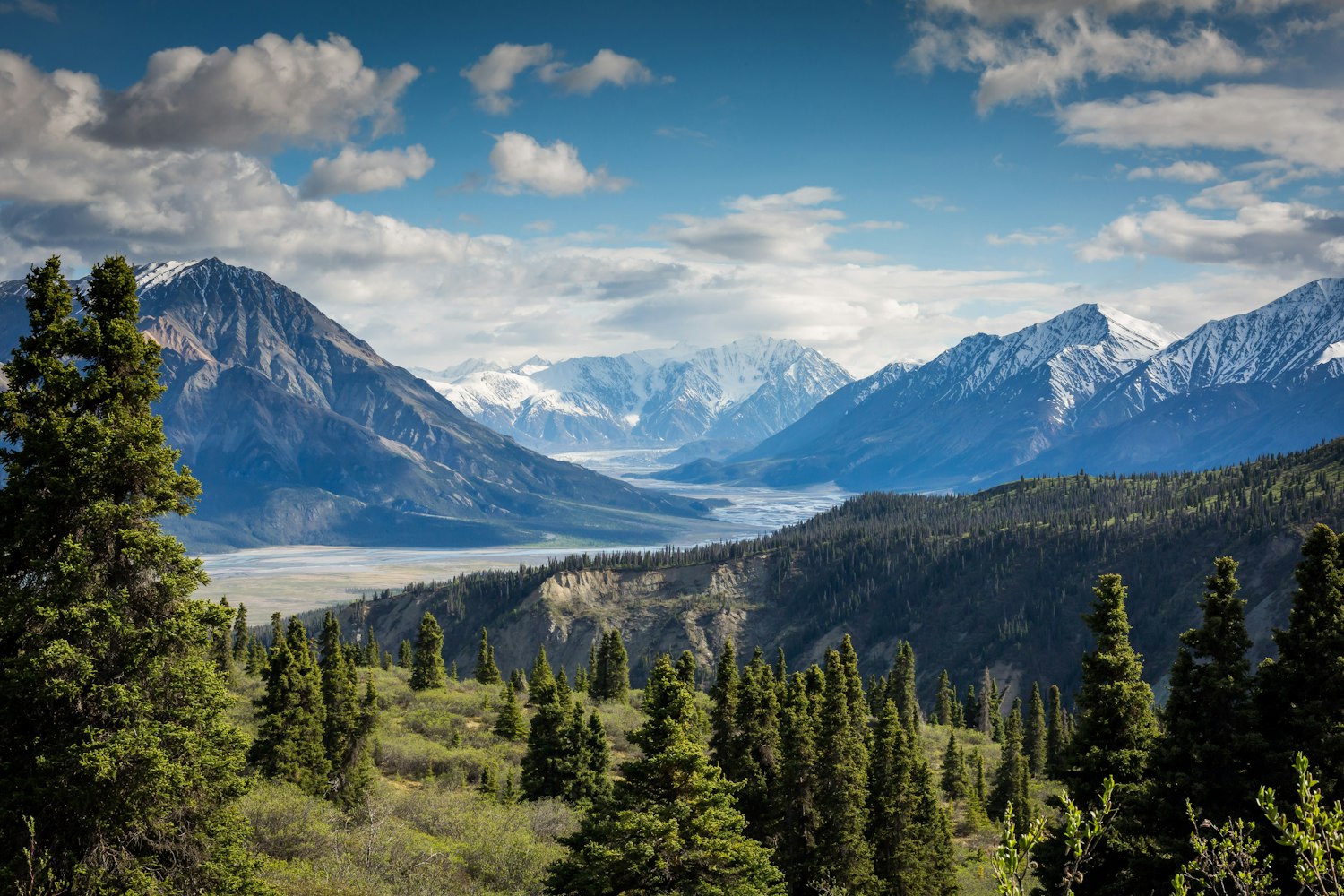
4. Ice climbing in the Canadian Rockies
The Bow Valley and the Icefields Parkway are a global ice-climbing destination, from the friendly flows around Canmore to the Weeping Wall, 180 m of blue ice that is one of the most photographed climbs on earth. Season: late November to late March. What it costs: a two-day intro weekend with an ACMG school like Canadian Rockies Alpine Guides or Yamnuska runs roughly $375 to $430 with all the technical gear. The beginner door: no experience required, the guide manages every rope, and you simply learn to swing the tools and front-point up the ice. The safety note: only ever hire ACMG guides for ice in Canada, and wear the helmet, because the main hazard is ice falling from above.
5. Lift-served mountain biking at Whistler
The Whistler Mountain Bike Park is the most celebrated in the world, 80-plus kilometres of trail and a chairlift that does the climbing for you, while the nearby North Shore is the rooty, wooden-feature birthplace of the whole style. Season: roughly mid-May to mid-October. What it costs: a day lift pass around $85, full-suspension rentals $80 to $130. The beginner door: the Intro to Bike Park clinic puts three hours, a lift ticket, and a rental together, starts you in the skills area, then escorts you down the green Easy Does It trail. The tip: the lower Fitzsimmons zone opens a month before the upper mountain, with fresh trails, smaller crowds, and cheaper early-season tickets.
The through-line
Notice what all five share: a guide or a school, gear provided, and a real beginner door. That is not a coincidence, it is how you do dangerous things and come home grinning. Canada will hand you the most exhilarating day of your life on a glacier, a river, a wave, or a wall. Take the lesson, respect the cold, and go get it. Cold and free beats warm and bored every time.
Frequently asked questions
- What outdoor adventure sports is Canada known for?
- Heli-skiing, which was invented in the Bugaboos, big-volume whitewater on the Ottawa River, cold-water surfing in Tofino, ice climbing in the Rockies, and lift-served mountain biking at Whistler.
- Where was heli-skiing invented?
- In BC's Bugaboos in 1965 by Hans Gmoser. Canadian Mountain Holidays has been the standard ever since.
- Can a beginner try these sports?
- Yes. Each has a real beginner door with a guide or school and gear provided, from intro heli-ski days to Whistler bike-park clinics.
Before you head out
Need gear for the trip — something built for the bush and made for the long haul? Have a look at what we make.
Shop EVOLVEThe EVOLVE outdoors list
The best places to get outside in Canada — in your inbox.
Trail notes, ski intel, cabins worth the drive, and parks worth the detour. About twice a month. We won’t flood your inbox, and you can leave anytime.
More from the journal