Snow · 7 min read
The Best Ski Resorts in Alberta: A Rider's Field Guide to the Big Three
Skiing and snowboarding in Alberta starts with three mountains, and here's how to ride each one right.
If you ride in this province, the conversation about skiing and snowboarding in Alberta always circles back to the same three mountains: Banff Sunshine, Lake Louise, and Marmot Basin up in Jasper. There are smaller hills worth your time, and I'll get to those, but these three are where the vertical, the snow, and the bragging rights actually live. I've spent enough cold mornings in lift lines at all of them to have opinions, so here's the honest rundown on the best ski resorts in Alberta, what each one is actually good at, and how not to waste your day.
A quick note before we strap in. If you're planning more than a couple of days in Banff National Park, look hard at the SkiBig3 pass, which covers Sunshine, Lake Louise, and Mt Norquay on one ticket with no blackout dates. Three resorts, roughly 7,700 acres, and you can chase the snow to whichever hill got hit overnight instead of committing the night before. For a road-trip rider that flexibility is worth more than the dollars saved.
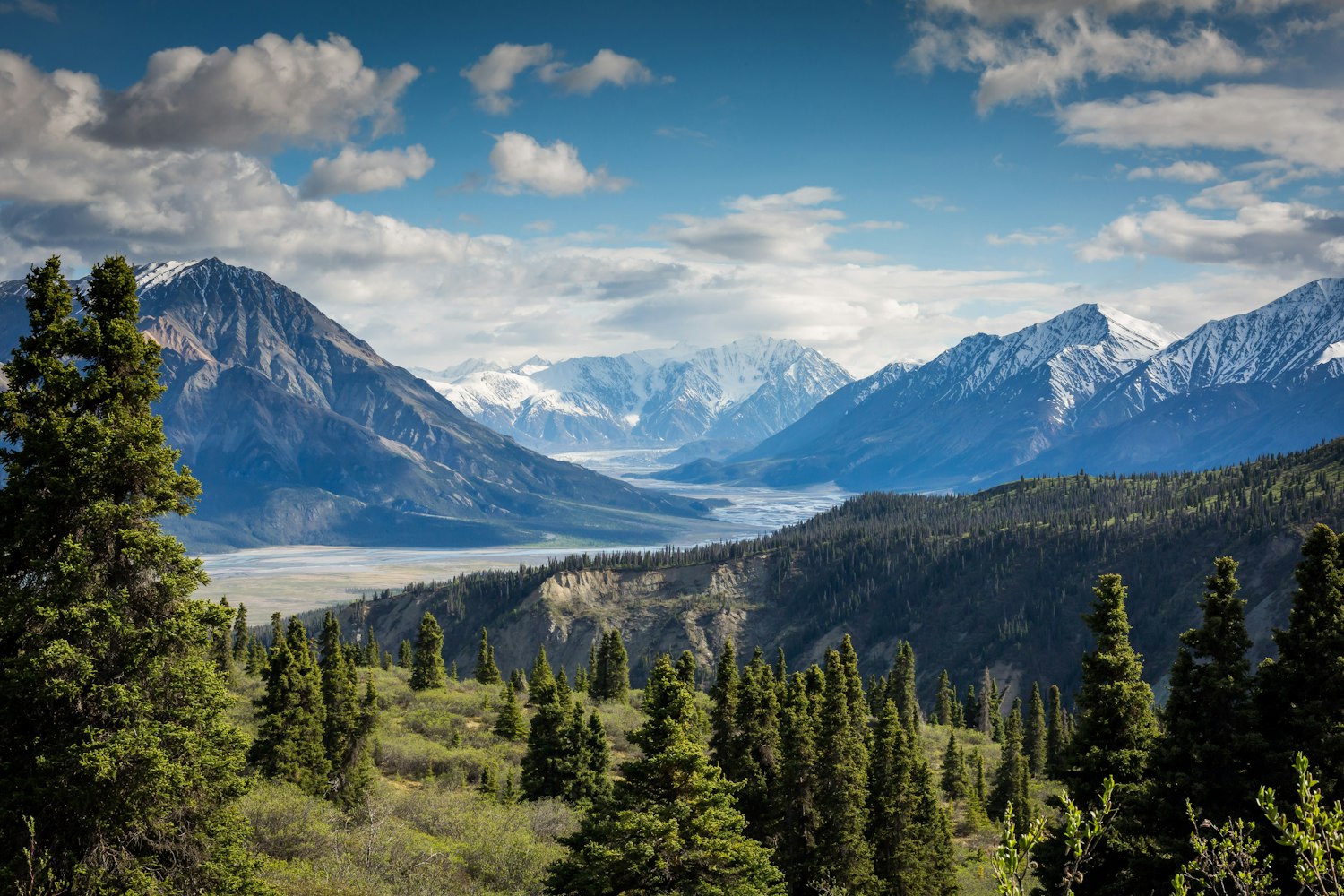
Banff Sunshine Village: the snow magnet
Sunshine is the one you go to for the goods. It sits high on the Continental Divide with a base at 1,658 m and a top around 2,730 m, which is the highest base elevation in the Canadian Rockies, and that altitude is the whole point. The snow comes dry, it comes often, and it stays. The long-term average is around 9 metres a season, but the 2025-26 winter was absurd, blowing past 10 metres before spring even showed up. That's not marketing. That's a lot of face shots.
The numbers: roughly 3,358 skiable acres, 1,070 m (3,514 ft) of vertical, and a terrain split of about 20 percent beginner, 55 percent intermediate, and 25 percent expert. The season runs mid-November clear into late May, one of the longest on the continent.
Who it's for: powder hounds and intermediates who want to lap pitch after pitch without thinking. The terrain off Goat's Eye and the hike-accessible stuff around Delirium Dive (you need a partner, a beacon, a shovel, and a probe to get in) is real big-mountain riding.
Drive time: about 90 minutes from Calgary to the Sunshine parking lot, then you ride the gondola up, because there's no driving to the village itself.
Hard-won tips: the gondola line is the bottleneck, so be in it before it spins, not at 9:15 with everyone else. Chase the north-facing aspects on a sunny stretch to keep the snow cold and chalky. And because it's so high and exposed, Sunshine gets socked in with flat light and wind on bad days. Check the snow report and pick a clear one if you can. When the visibility's gone, the trees off Goat's Eye are your friend.
Lake Louise Ski Resort: the big board
Lake Louise is the giant of the three and one of the largest ski areas in Canada, with 4,200 acres spread across four mountain faces and 991 m (3,251 ft) of vertical. It averages somewhere around 5 metres of snow a season, less than Sunshine, but it makes up for it with sheer variety and those back bowls.
Here's the thing about Louise that nobody tells beginners: the front face is mellow and groomed and welcoming, and then you ride one lift over a ridge and suddenly you're staring down the back into terrain that will absolutely humble you. Same lift ticket, completely different mountain. The terrain breaks down to about 25 percent beginner, 45 percent intermediate, and 30 percent advanced across 145 marked runs, and every chair on the hill returns to the same base, so a beginner and an expert can ride up together and still find their level. That's a rare and underrated thing.
Who it's for: mixed crews and families who don't all ride the same way, plus advanced riders who want lift-served back-bowl lines without a hike. March is historically the snowiest month here, so late season is prime.
Drive time: about 2 hours (184 km) west of Calgary on the Trans-Canada, roughly 45 minutes past Banff townsite. Parking at the ski resort itself is free and plentiful, which is a relief after dealing with the paid, reservation-only chaos down at the actual lake. Don't confuse the two.
Hard-won tips: the Summit Platter (a surface lift) gets you to the top of the bowls, and a lot of people skip it because T-bars are annoying. Don't. That's where the goods are. The whole back side faces a range of aspects, so on a cold clear day you can follow the sun and the shade to find the best snow well into the afternoon.
Marmot Basin: the local's hill in Jasper
Marmot is the quiet one, and that's exactly why people who know, love it. Up the road from Jasper townsite, it's got 1,720 acres, 914 m (3,000 ft) of vertical, and a season from mid-November to early May. It pulls in around 4 to 4.5 metres of snow a year, less than the Banff hills on paper, but here's the trade: Marmot has the highest base elevation of any ski area in Canada, so what falls stays cold and dry, and the lift lines are a fraction of what you'll fight in Banff.
The terrain is genuinely balanced, roughly 30 percent beginner, 30 percent intermediate, 20 percent advanced, and 20 percent double black, and the upper-mountain alpine bowls, glades, and chutes off the top are the kind of thing you'd queue an hour for elsewhere. At Marmot you might have them to yourself on a Tuesday.
Who it's for: Edmonton riders, families who hate crowds, and anyone who'd rather actually ski than stand in line. It's the most relaxed of the three by a mile.
Drive time: about 4 hours from Edmonton, and the resort is only 20 minutes from Jasper town. From Calgary it's closer to 4.75 hours up the Icefields Parkway, which, for the record, is one of the great drives on earth when the weather cooperates. Magic Bus runs scheduled service from Edmonton if you'd rather not drive.
Hard-won tips: make it a weekend, not a day trip. The drive is too long to lap once and turn around, and Jasper townsite is worth an overnight. Get up Eagle East and into Charlie's Bowl when it's filled in. And dress warmer than you think, because that high, dry cold is no joke when the wind picks up on the upper mountain.
The honourable mentions
The big three aren't your only options. Mt Norquay, right above Banff townsite, is small and steep and close, and it's on the SkiBig3 pass, so it's an easy half-day or a night-skiing session when the legs are fried. Nakiska out in Kananaskis is the closest real hill to Calgary at well under an hour, which makes it the move for a quick after-work or weekday lap, and it hosted the 1988 Olympic alpine events. Down south, Castle Mountain Resort near Pincher Creek is the cult favourite, with steep, ungroomed, expert-leaning terrain, big snow, and a no-frills attitude that keeps the crowds away.
Wherever you point the truck, check the avalanche bulletin if you're going anywhere near the ropes, carry the gear if you're stepping out of bounds, and remember that the best snow is usually two valleys over from wherever everyone else is standing.
Before you head out
Need gear for the trip — something built for the bush and made for the long haul? Have a look at what we make.
Shop EVOLVEThe EVOLVE outdoors list
The best places to get outside in Canada — in your inbox.
Trail notes, ski intel, cabins worth the drive, and parks worth the detour. About twice a month. We won’t flood your inbox, and you can leave anytime.
More from the journal