Parks · 8 min read
The 10 Best National Parks in Canada, Ranked by Someone Who Has Opinions
An unapologetically opinionated countdown of the best Canadian parks, with the one thing worth going for and the tip you'll thank me for.
Ranking parks is a great way to lose friends. Everyone has a hill they'll die on, usually one they hiked once in 2014 and have romanticized ever since. So here is my list of the best national parks in Canada, fully aware that you will disagree, and that your disagreement is wrong.
A few ground rules. I mixed in a couple of provincial and territorial parks because pretending the system stops at the national boundary is a rookie move. I ranked on the actual experience, not the postcard. And one piece of housekeeping for 2026: the Canada Strong Pass is back, giving free admission to Parks Canada places and 25% off camping from June 19 to September 7, 2026. Free admission does not mean free parking or free shuttles, so read the fine print before you cancel that reservation.
Here is the countdown.
10. Bruce Peninsula National Park, Ontario
Ontario's entry on a list of the best Canadian parks, and it earns the spot on water colour alone. The Grotto is a sea cave on Georgian Bay where the water glows an alarming Caribbean turquoise, which feels deeply illegal for a province better known for cottage traffic. The one thing: swimming at the Grotto, assuming you can handle water that is more idea than temperature. Best time: September, after the school crowds thin and the limestone still holds summer warmth. Insider tip: parking is reservation-only from May 1 to October 31, there is no first-come lot, and the slots vanish fast. Book a morning block and arrive with two hours to spare. Bruce Peninsula National Park.
9. Waterton Lakes National Park, Alberta
Waterton is what happens when the prairie slams into the mountains with no foothills to soften the blow. It is small, walkable, and has a windswept charm that bigger Rockies parks lack. The one thing: the Crypt Lake hike, a genuinely absurd day out that involves a boat shuttle, a ladder, and a crawl through a natural rock tunnel. National Geographic has twice called it one of the world's most thrilling hikes, and for once the hype holds. Best time: late June into September, once the boat shuttle to Crypt Landing is running. Insider tip: stop for afternoon tea at the Prince of Wales Hotel even if you're not staying there. Non-guests are welcome from noon to four. Waterton Lakes National Park.
8. Pacific Rim National Park Reserve, British Columbia
This is the moody one. Long Beach is kilometres of fog, driftwood the size of canoes, and surfers who treat 9°C water as a personal challenge. The rainforest behind it drips with western red cedar and moss thick enough to nap on. The one thing: storm watching from November through March, when Pacific systems hammer the coast and the smart move is to watch from inside with a hot drink. Best time: depends on your personality, summer for the beach, winter for the drama. Insider tip: the West Coast Trail, the famous 75-km gut-check, only runs May through late September and requires advance permits, so don't show up in October expecting glory. Pacific Rim National Park Reserve.
7. Cape Breton Highlands National Park, Nova Scotia
The Cabot Trail gets the postcards, but the park it loops through is the real headliner. Highland plateau, Acadian forest, and the Gulf of St. Lawrence doing its best impression of a coastline that wandered over from Scotland. The one thing: the Skyline Trail at sunset, a boardwalk that ends on a headland with the ocean dropping away below and a decent chance of whales. Best time: late September into October for the colour, when the maples go off like fireworks. Insider tip: parking reservations are required for Skyline from June 26 to October 25, 2026, and the trail is busiest from 9:30 to 4. Aim for the golden hour and skip the crowd. Cape Breton Highlands National Park.
6. Yoho National Park, British Columbia
Yoho is Banff's quieter sibling that quietly does everything better, then doesn't tell anyone. Emerald Lake, Takakkaw Falls thundering down 250-odd metres, and the crown jewel: Lake O'Hara, an alpine basin so protected they cap the number of humans allowed in daily. The one thing: a day at Lake O'Hara, reached only by the shuttle bus up the access road or a long walk in. Best time: July to early October, when the high trails are clear. Insider tip: the O'Hara bus runs a random draw, with 2026 applications accepted March 2 to March 23. Miss it and you can still walk the 11 km in, which builds character. Yoho National Park.
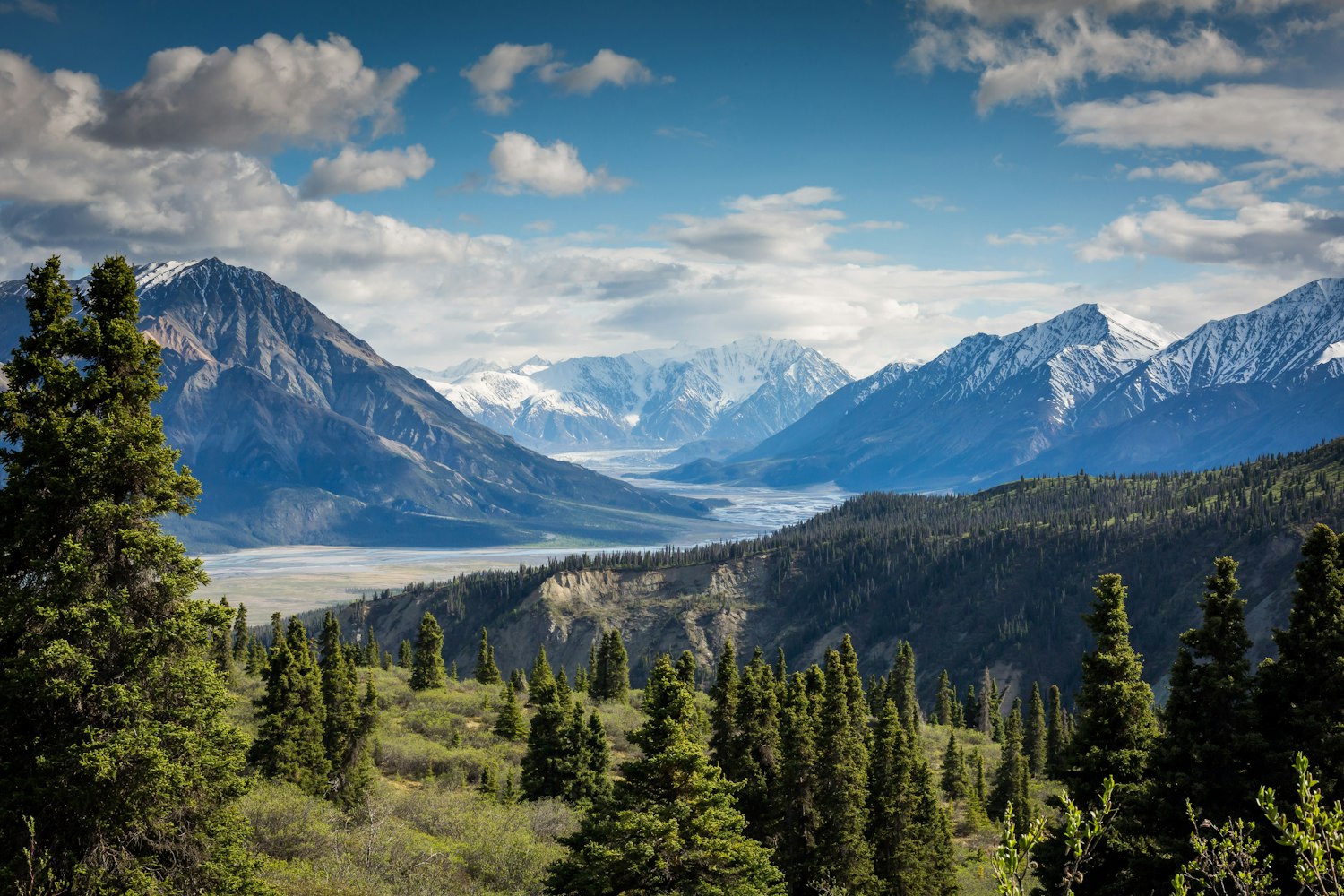
5. Kluane National Park and Reserve, Yukon
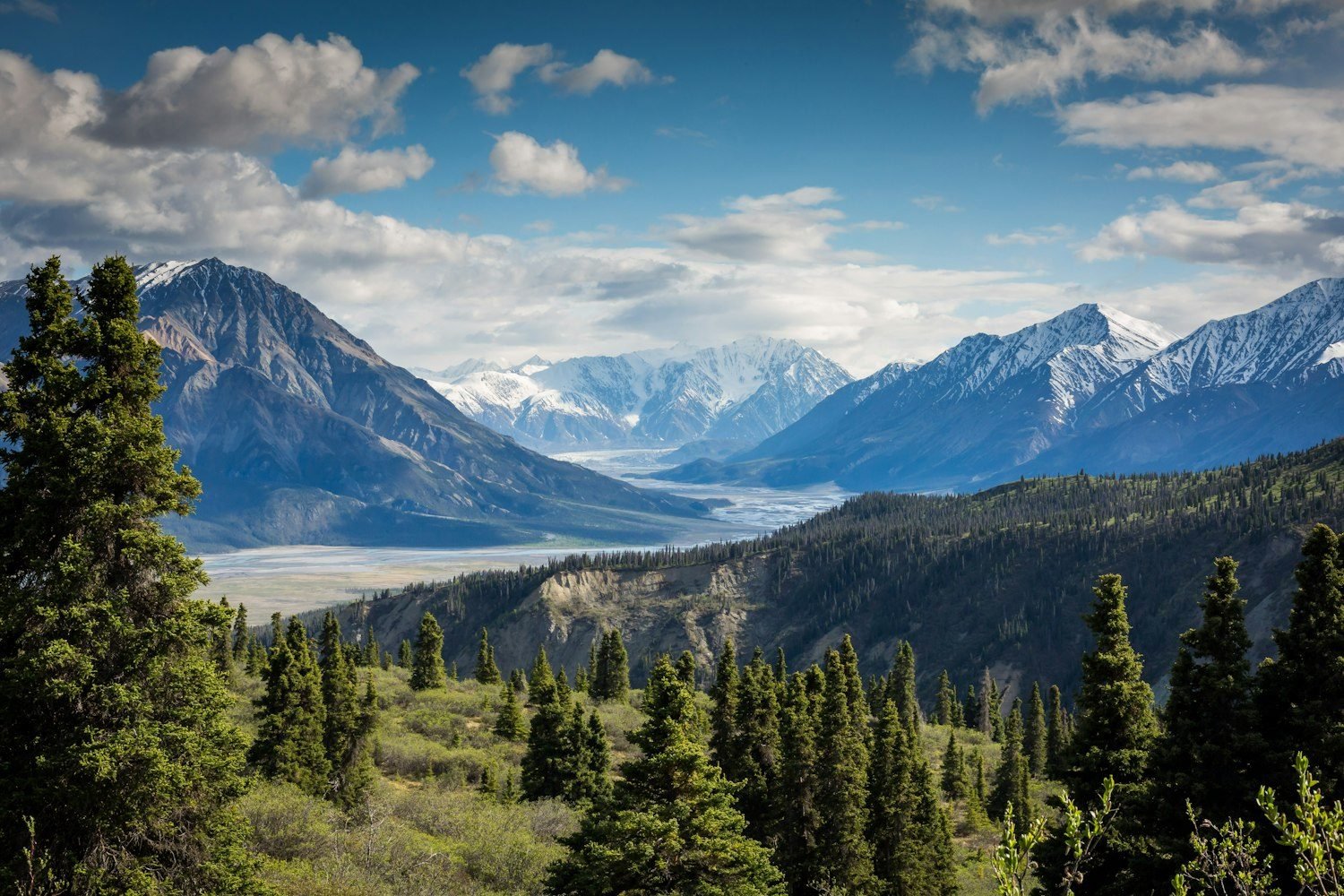
Kluane holds 17 of Canada's 20 tallest mountains, including Mount Logan, the country's high point, plus the largest non-polar icefields on the planet. The catch is that almost all of it is locked behind glaciers and has no roads, which is precisely why it ranks this high. The one thing: a flightseeing tour out of Haines Junction that drops you onto a glacier with Logan looming. It is expensive and worth every dollar. Best time: June through August, the short window when bush planes fly reliably. Insider tip: if your budget is grounded, hike up to King's Throne above Kathleen Lake, a tough eight-hour climb that delivers the whole valley. Kluane National Park and Reserve.
4. Tombstone Territorial Park, Yukon
The first non-national park on the list, and it makes the cut because Tombstone looks like a fantasy novel cover. Jagged black granite peaks, tundra that turns molten orange in autumn, and a remoteness that keeps the crowds purely theoretical. The one thing: the Grizzly Lake trail, a difficult 11-km haul over talus and ridgeline to a lake ringed by spires. Best time: late August, when the fall colour ignites this close to the Arctic Circle. Insider tip: the park sits along the Dempster Highway, the trailhead at km 58.5, and all backcountry hikers must register in person at the interpretive centre at km 71.5. No registration, no trail. Tombstone Territorial Park.
3. Jasper National Park, Alberta
Jasper took a brutal hit in the 2024 wildfire, but the town has rebuilt and the park is open, with the Columbia Icefield, Maligne Lake, and Maligne Canyon all welcoming visitors again. Roughly 3.5% of the park burned, which means 96.5% of the reason you go is intact. The one thing: the dark sky. Jasper is one of the largest dark sky preserves on Earth, and on a clear moonless night the Milky Way is genuinely silencing. Best time: September for fewer people, or a crisp winter night for the stars. Insider tip: check trail status before you commit, as a few routes including parts of Maligne Canyon and Cavell Road were still under assessment heading into 2026. Jasper National Park.
2. Gros Morne National Park, Newfoundland
If you have never been to Newfoundland, Gros Morne is the argument that ends the conversation. A UNESCO World Heritage Site where you can walk on the Tablelands, exposed slabs of the Earth's mantle so barren they helped confirm plate tectonics. The one thing: the Western Brook Pond boat tour, a two-hour cruise into a landlocked fjord with billion-year-old cliffs and waterfalls that turn to mist before they land. Best time: mid-May to mid-October, the boat's operating season. Insider tip: the dock is a 3-km walk from the parking lot, roughly 45 minutes, so the tour is a half-day commitment. Pack accordingly and don't book a tight afternoon. Gros Morne National Park.
1. Banff National Park, Alberta
Yes, the obvious one. I tried to be contrarian and couldn't do it. Banff is Canada's first national park, and Lake Louise and Moraine Lake are the kind of unreal turquoise that makes you suspect the rock flour is doing marketing. It is busy, it is photographed to death, and it is still the best, which is annoying for everyone trying to seem cool. The one thing: sunrise at Moraine Lake, when the Valley of the Ten Peaks lights up before the day-trippers arrive. Best time: June to early October for the colour, though the shoulder weeks are calmer. Insider tip: you cannot drive to Moraine Lake, full stop. Personal vehicles are banned, so you need the Parks Canada shuttle, and 2026 reservations opened in April with close to 40,000 booked in the first hour. Book the moment they open, or take the pre-dawn Alpine Start shuttle. Banff National Park.
That's the list. You're already composing your rebuttal, and honestly, good. The only wrong move is staying home.
Before you head out
Need gear for the trip — something built for the bush and made for the long haul? Have a look at what we make.
Shop EVOLVEThe EVOLVE outdoors list
The best places to get outside in Canada — in your inbox.
Trail notes, ski intel, cabins worth the drive, and parks worth the detour. About twice a month. We won’t flood your inbox, and you can leave anytime.
More from the journal